Hardwood flooring is one of the most durable and visually appealing investments you can make in a home or commercial space. However, its longevity and appearance depend heavily on following a consistent Hardwood Floor Maintenance Schedule. Without a structured approach to cleaning, recoating, and refinishing, even high-quality wood floors can lose their luster, develop wear patterns, and require premature restoration.
Understanding when to perform each level of care helps protect your flooring investment while preserving its natural beauty. This guide explains how to maintain hardwood floors effectively and what timeline property owners should follow to keep surfaces looking their best.
Why a maintenance schedule matters
Wood is a natural material that responds to foot traffic, moisture, dirt, and environmental changes. Every step on an untreated or poorly maintained floor acts like fine sandpaper, gradually wearing down the protective finish. A proper Hardwood Floor Maintenance Schedule prevents surface damage from reaching the wood itself, which is when repairs become more costly and disruptive.
Routine care does more than improve appearance. It also maintains structural integrity by reducing the risk of surface scratches turning into deep gouges, moisture penetration, or finish failure.
Daily and weekly cleaning guidelines
Frequent light cleaning is the first layer of protection. Dust, grit, and debris are the biggest daily threats to hardwood finishes.
- Sweep or dust mop high-traffic areas daily to remove abrasive particles
- Use a vacuum with a hardwood-safe attachment weekly to clean edges and corners
- Spot clean spills immediately to prevent moisture damage or staining
These simple habits significantly extend the lifespan of your floor’s protective coating. Avoid using excessive water or harsh chemical cleaners, as both can degrade the finish over time.
Monthly and seasonal care
Beyond regular cleaning, hardwood floors benefit from deeper maintenance every few weeks. This level of care helps preserve finish clarity and prevents buildup from dulling the surface.
- Use a manufacturer-approved hardwood cleaner once per month
- Check felt pads under furniture seasonally and replace worn ones
- Inspect entry areas for dirt accumulation and maintain protective mats
Seasonal humidity control is also essential. Wood expands and contracts with moisture levels, and stable indoor humidity helps prevent gaps, cupping, or warping.
When to recoat hardwood floors
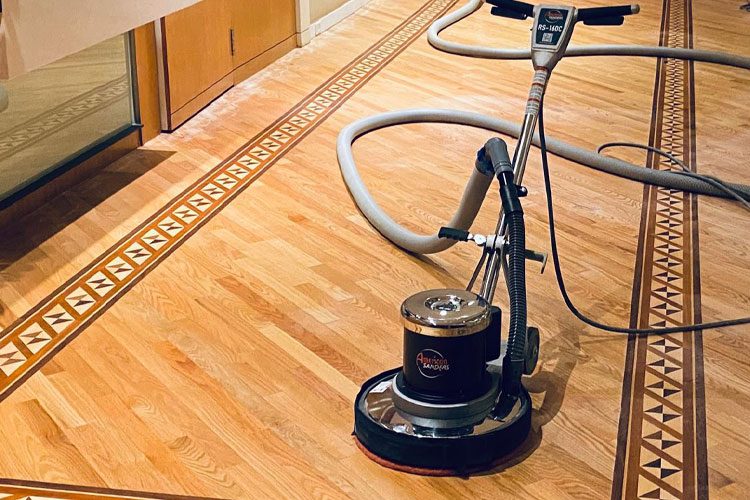
Recoating, often called a “screen and recoat,” involves lightly abrading the top finish layer and applying a fresh protective coat. This process does not remove the wood layer but renews the surface protection.
Most residential floors need recoating every three to five years, depending on traffic levels. Commercial spaces or busy households may require it sooner. Recoating at the right time is a key part of any Hardwood Floor Maintenance Schedule because it restores protection before wear penetrates to the wood.
Signs it’s time to recoat include dullness, light scratches across large areas, or fading in walk paths. Addressing these signs early prevents the need for full sanding later.
When to refinish hardwood floors
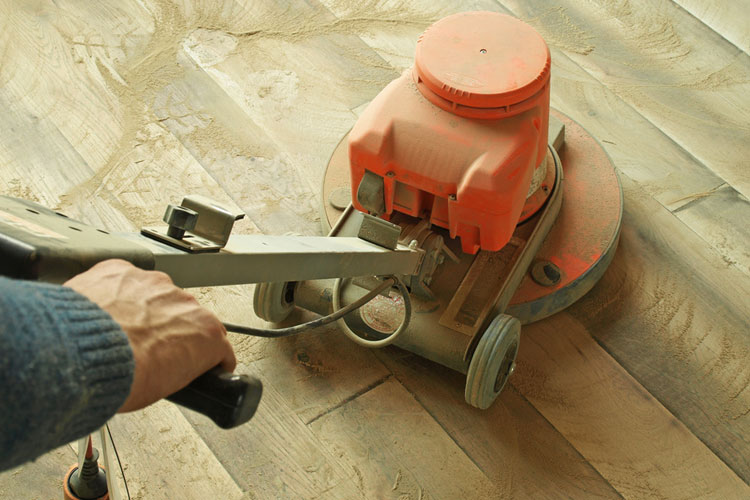
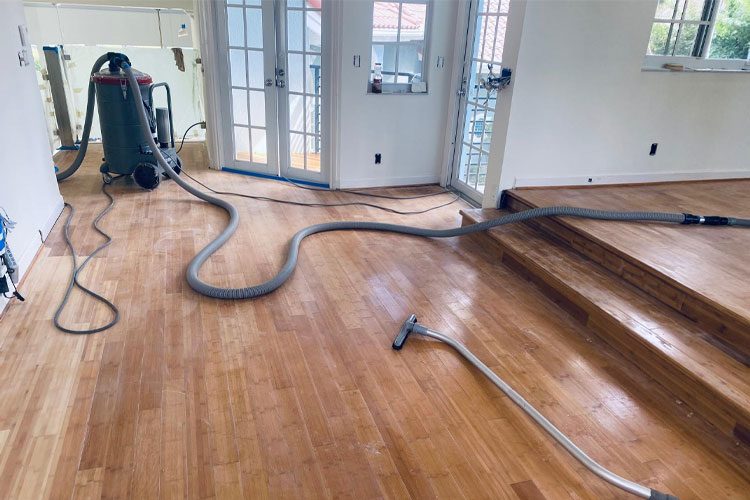
Refinishing is a more intensive process that involves sanding the wood surface and applying new stain and finish. This is typically needed every seven to ten years in residential settings, though timelines vary based on usage.
Indications that refinishing may be necessary include deep scratches, gray or exposed wood areas, stains that cannot be cleaned, or finish peeling. Unlike recoating, refinishing restores the floor’s appearance from the wood up.
Following a Hardwood Floor Maintenance Schedule reduces how often refinishing is required, saving time and money over the long term.
High-traffic area strategies
Entryways, hallways, kitchens, and commercial lobbies wear faster than other areas. Extra protection in these zones can dramatically extend floor life.
- Place durable mats at entrances to trap dirt before it reaches the floor
- Use area rugs in frequently used pathways
- Rotate furniture periodically to distribute wear evenly
These steps help prevent uneven aging, which can otherwise make refinishing more complicated.
Environmental factors that affect maintenance timing
Climate, pets, and building usage all influence how often maintenance tasks are required. Homes with large dogs, children, or heavy foot traffic may shorten recoat timelines. Coastal or humid environments may require closer humidity monitoring.
Sunlight exposure also affects wood floors. UV rays can cause color changes, so using window treatments helps maintain consistent tone over time.
Long-term value of proactive care
Replacing hardwood flooring is significantly more expensive than maintaining it. By adhering to a structured Hardwood Floor Maintenance Schedule, property owners protect both the visual appeal and financial value of their floors.
Proactive maintenance also reduces disruptions. Recoating is quicker and less invasive than refinishing, and routine care minimizes downtime in homes and businesses.
Professional support makes a difference
While routine cleaning can be handled by property owners, recoating and refinishing require professional equipment and expertise. Proper preparation, finish selection, and application techniques determine durability and appearance.
US Hardwood Floors provides expert installation, refinishing, recoating, and maintenance services designed to extend the life of hardwood surfaces. With decades of experience serving residential and commercial clients, the company helps property owners follow the right maintenance schedule and protect their flooring investment with professional care and high-quality materials. Call 954-298-0977
Frequently Asked Questions
How often should hardwood floors be professionally cleaned?
Professional deep cleaning is recommended once or twice per year, depending on traffic and environmental conditions.
What happens if I delay recoating?
Delaying recoating can allow wear to penetrate the finish, leading to exposed wood and the need for full refinishing.
Can all hardwood floors be refinished multiple times?
Solid hardwood can typically be refinished several times, while engineered wood depends on the thickness of the wear layer.
Does humidity affect maintenance needs?
Yes, maintaining stable indoor humidity helps prevent movement in the wood that can affect finish performance and appearance.