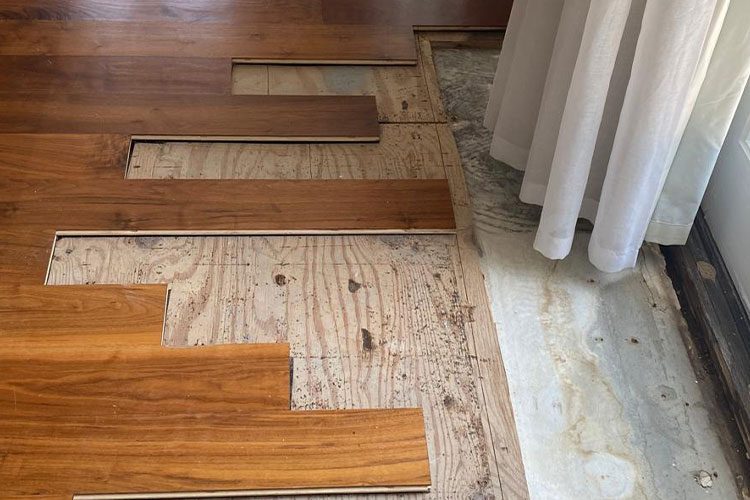
Florida’s tropical climate creates a unique challenge for homeowners who want the timeless beauty of hardwood floors. High humidity levels, fluctuating temperatures, and seasonal moisture exposure can all impact wood flooring performance. Understanding how hardwood flooring Florida humidity affects materials, installation, and maintenance is critical to ensuring your investment lasts for years without warping, buckling, or cupping.
Why Hardwood Flooring Reacts to Florida Humidity
Wood is a natural material that expands and contracts based on moisture levels in the air. In Florida, where humidity often exceeds 70%, hardwood flooring can absorb excess moisture, causing boards to swell. When conditions dry out, the wood contracts, which can lead to gaps or structural instability.
This constant movement is why selecting the right materials and installation methods is essential when dealing with hardwood flooring Florida humidity. Without proper planning, even high-quality flooring can fail prematurely.
Best Hardwood Flooring Options for Florida Homes
Not all hardwood floors perform equally in humid climates. Choosing the right type of wood and construction can significantly reduce the risk of damage.
Engineered Hardwood vs. Solid Hardwood
Engineered hardwood is often the preferred option in Florida due to its layered construction. It is designed to resist expansion and contraction better than solid wood.
- Engineered hardwood: Multi-layer construction provides superior moisture resistance and stability.
- Solid hardwood: More prone to warping in high humidity but still usable with proper climate control.
- Wide planks: Tend to show more movement; narrower boards perform better in humid environments.
Best Wood Species for Humid Conditions
Certain wood species are naturally more resistant to moisture and environmental changes.
- White oak: Dense grain structure resists moisture absorption.
- Hickory: Strong and durable with moderate stability.
- Maple: Tight grain helps minimize expansion.
Choosing the right species is a foundational step in managing hardwood flooring Florida humidity challenges.
Installation Techniques That Prevent Warping
Proper installation is just as important as material selection. Even the best hardwood flooring can fail if installed incorrectly.
Acclimation Process
Before installation, hardwood must acclimate to the home’s environment. This means storing the flooring in the space for several days to allow moisture levels to equalize.
Moisture Barriers
Installing a vapor barrier between the subfloor and hardwood flooring helps prevent moisture from rising and damaging the wood.
Professional Installation Matters
Working with experienced professionals ensures correct spacing, fastening, and subfloor preparation. Learn more about expert installation services here:
hardwood flooring installation services.
Controlling Indoor Humidity Levels
Maintaining consistent indoor humidity is one of the most effective ways to protect hardwood floors.
Ideal Humidity Range
Hardwood flooring performs best when indoor humidity stays between 35% and 55%. In Florida, this often requires mechanical assistance.
Tools to Manage Humidity
Using the right tools can make a significant difference:
- Dehumidifiers: Reduce excess moisture during humid seasons.
- Air conditioning systems: Help regulate both temperature and humidity.
- Hygrometers: Monitor indoor humidity levels accurately.
Consistent climate control is essential for minimizing the effects of hardwood flooring Florida humidity.
Maintenance Tips to Prevent Moisture Damage
Routine care plays a key role in extending the life of hardwood floors in Florida homes.
Daily and Weekly Care
Keep floors clean and dry to prevent moisture buildup. Avoid using excessive water when cleaning, and opt for hardwood-safe cleaners instead.
Protective Measures
Use rugs in high-traffic or moisture-prone areas like entryways and kitchens. Ensure spills are cleaned immediately to prevent absorption.
Refinishing and Sealing
Periodic refinishing helps maintain a protective barrier against moisture. Explore refinishing options here:
hardwood floor refinishing.
Signs Your Hardwood Floors Are Affected by Humidity
Recognizing early warning signs can prevent costly repairs.
Common Issues
- Cupping: Edges of boards rise higher than the center.
- Crowning: Center of boards rises above the edges.
- Gapping: Spaces appear between planks.
If you notice these issues, it may be time to consult professionals. Visit:
US Hardwood Floors Inc. for expert guidance.
Choosing the Right Finish for Moisture Protection
The finish applied to hardwood floors can enhance durability and resistance to humidity.
Best Finish Types
Polyurethane finishes provide strong moisture resistance, while oil-based finishes penetrate deeper into the wood for added protection.
Matte vs. Gloss
While gloss finishes highlight imperfections, matte finishes can better conceal minor humidity-related changes.
Selecting the right finish complements your strategy for managing hardwood flooring Florida humidity.
Why Professional Expertise Makes the Difference
Florida’s climate requires specialized knowledge when it comes to hardwood flooring. From selecting materials to managing installation and maintenance, every step must account for environmental factors.
US Hardwood Floors Inc. brings years of experience in handling hardwood flooring Florida humidity challenges. Their team understands the local climate and offers tailored solutions that protect your flooring investment. Whether you need installation, refinishing, or repairs, their expertise ensures long-lasting results. Learn more about their offerings here:
about US Hardwood Floors Inc..
Frequently Asked Questions
Is hardwood flooring a good option for humid Florida homes?
Yes, hardwood flooring can perform well in Florida when the right materials, such as engineered wood, are used and indoor humidity is properly controlled.
What humidity level is safe for hardwood floors?
Maintaining indoor humidity between 35% and 55% helps prevent expansion, contraction, and long-term damage.
How can I stop my hardwood floors from warping?
Proper installation, moisture barriers, and consistent climate control are key to preventing warping and other moisture-related issues.
Which hardwood type is best for high humidity areas?
Engineered hardwood is typically the best choice because its layered construction provides greater stability in fluctuating humidity conditions.