Refinishing wood surfaces doesn’t always require a full sanding process. Many homeowners searching for ways to refinish hardwood floors without sanding are looking for faster, cleaner, and more cost-effective solutions. While traditional sanding removes deep damage and old finishes completely, modern refinishing methods can restore shine and extend floor life with significantly less disruption. Understanding when this approach works—and when it doesn’t—is key to making the right investment.
Refinish Hardwood Floors Without Sanding: What It Really Means
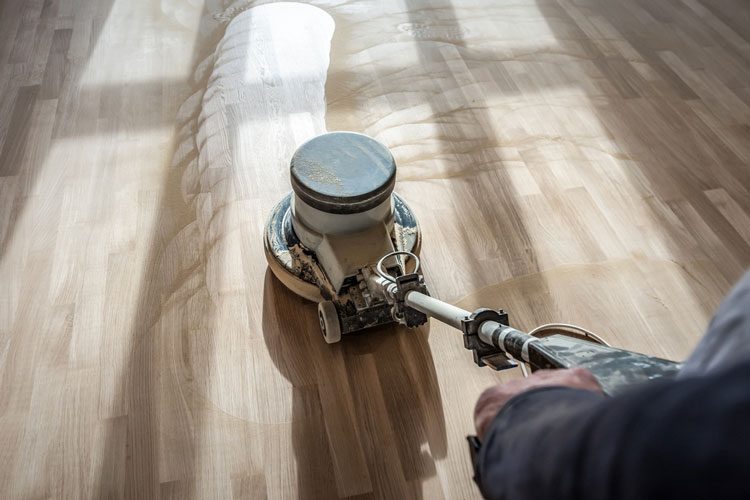
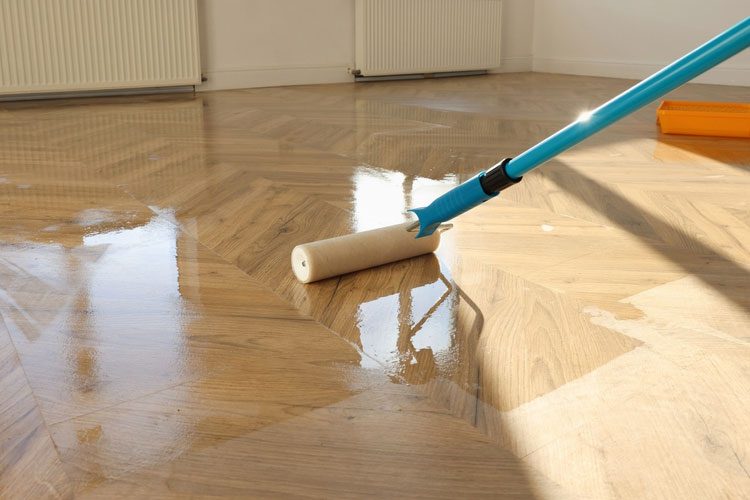
Refinishing hardwood floors without sanding is often referred to as screening and recoating or buffing and sealing. Instead of grinding down the wood surface, this process lightly abrades the top finish layer and applies a new protective coat.
How the Process Works
- Surface cleaning and preparation to remove dirt, oils, and residue
- Light abrasion (screening) to help the new finish adhere properly
- Application of a fresh polyurethane or sealant layer for protection and shine
This method preserves the existing wood while restoring its appearance, making it ideal for floors that are structurally sound but visually worn.
When You Can Refinish Hardwood Floors Without Sanding
Not every floor qualifies for this method. The condition of your hardwood determines whether a no-sand refinishing will deliver acceptable results.
Best Situations for No-Sand Refinishing
- Minor surface scratches and dullness without deep gouges
- Fading or light wear in high-traffic areas
- Existing finish still intact with no exposed raw wood
If your floors meet these conditions, you can avoid the cost and downtime of a full sanding project.
When Sanding Is Still Necessary
If you notice deep scratches, water damage, warping, or discoloration that penetrates beyond the surface finish, sanding is required. In those cases, a complete restoration through services like hardwood floor refinishing is the only way to fully correct the damage.
Cost Comparison: Sanding vs. No-Sand Refinishing
One of the main reasons homeowners look to refinish hardwood floors without sanding is cost savings.
Typical Price Ranges
No-sand refinishing generally costs 30% to 50% less than full sanding. This is because:
– Less labor is required
– There’s minimal equipment use
– Projects are completed faster
Full sanding projects may involve additional steps such as stain application and multiple finish coats, which increase both material and labor costs.
For a more detailed breakdown of options, reviewing flooring services can help clarify what fits your budget and goals.
Results You Can Expect
The results of a no-sand refinishing process depend heavily on the starting condition of your floors.
What Improves
– Restored shine and uniform appearance
– Reduced visibility of light scratches
– Added protection against future wear
What Does Not Change
– Deep scratches or dents remain visible
– Color cannot be significantly altered
– Structural damage is not repaired
If your goal is a dramatic transformation, sanding is necessary. However, for maintenance and aesthetic refresh, this method performs well.
Durability and Lifespan of the Finish
A properly applied no-sand finish can last 3 to 5 years, depending on traffic levels and maintenance habits. Homes with pets, children, or heavy foot traffic may require more frequent recoating.
Routine care—such as proper cleaning and using protective pads—helps extend the life of your finish. Guidance on upkeep can often be found through resources like hardwood floor maintenance.
Advantages of Refinishing Without Sanding
This method continues to grow in popularity due to several practical benefits.
Key Advantages
- Minimal dust and mess compared to traditional sanding
- Faster project timeline, often completed in one day
- Lower cost investment for maintenance-level restoration
These advantages make it especially appealing for homeowners who want results without the inconvenience of a full renovation.
Limitations to Consider
Despite its benefits, no-sand refinishing has clear limitations. It is not a one-size-fits-all solution.
Common Drawbacks
- Limited ability to repair damage
- No major color or stain changes
- Requires proper floor condition to be effective
If your floors have significant wear or you want a complete design change, options like hardwood floor installation or full refinishing may be better long-term solutions.
Is It the Right Choice for Your Floors?
Choosing whether to refinish hardwood floors without sanding depends on your goals. If you’re looking for a quick refresh, cost savings, and minimal disruption, this method is highly effective. However, if your floors require structural repair or a full aesthetic change, sanding remains the superior approach.
Professional Refinishing Matters
Even though no-sand refinishing is less intensive, proper preparation and application are critical. Poor adhesion or uneven coating can lead to premature failure of the finish. Working with experienced professionals ensures the process is done correctly and delivers lasting results.
US Hardwood Floors Inc. specializes in evaluating floor conditions and recommending the most efficient solution—whether that’s screening and recoating or a full refinishing process. Their team uses proven techniques and high-quality materials to help homeowners restore the beauty and durability of their hardwood flooring with confidence.
Frequently Asked Questions
Can you really refinish hardwood floors without sanding?
Yes, if the floors are in good condition with only surface wear. A screening and recoating process can restore the finish without removing the wood layer.
How long does no-sand refinishing last?
Typically, the results last between 3 to 5 years depending on traffic and maintenance. High-traffic homes may require more frequent recoating.
Will this method remove scratches from hardwood floors?
It reduces the appearance of light scratches but does not eliminate deep damage. Deep gouges require full sanding to correct.
Is refinishing without sanding cheaper than traditional refinishing?
Yes, it generally costs significantly less because it involves less labor, equipment, and time compared to full sanding and refinishing.