Hardwood floors are a major selling point for Florida homes. They create a clean, upscale look, they hold value over time, and they can be refreshed instead of replaced. Still, even the strongest hardwood surfaces eventually show wear. Scratches, dull spots, fading, and finish breakdown are common—especially in Florida’s climate where humidity, sand, and daily foot traffic can accelerate surface damage.
This Hardwood Floor Refinishing Cost Guide is designed to help homeowners understand what to expect before starting a refinishing project—without focusing on pricing. Instead, this guide breaks down the refinishing process, key factors that impact the scope of work, how Florida conditions affect results, and how to make decisions that lead to long-lasting floors.
Why Refinishing Hardwood Floors Matters in Florida Homes
Refinishing restores the appearance and protection of hardwood floors by removing surface damage and applying a new finish system. It is one of the most effective ways to revive flooring while protecting the wood long term.
Florida hardwood floors typically face unique challenges, such as:
-
Moisture-heavy air that can weaken older finishes
-
Sand and debris that act like sandpaper under shoes
-
UV exposure from large windows that causes discoloration
-
Seasonal humidity shifts that stress boards and seams
Refinishing can restore your floor’s clarity, enhance color, and add a fresh protective layer that better withstands Florida living.
What Hardwood Floor Refinishing Actually Includes
Many homeowners think refinishing is simply adding a new coat of shine. In reality, professional refinishing is a multi-step restoration process.
Evaluation and Planning
Before equipment ever touches your floors, a professional should inspect:
-
Wood thickness and condition
-
Existing finish type
-
Stain saturation or discoloration
-
Deep scratches, gouges, or pet staining
-
Signs of moisture impact such as cupping or crowning
This evaluation helps determine whether full sanding is required or if a lighter approach is possible.
Sanding and Surface Preparation
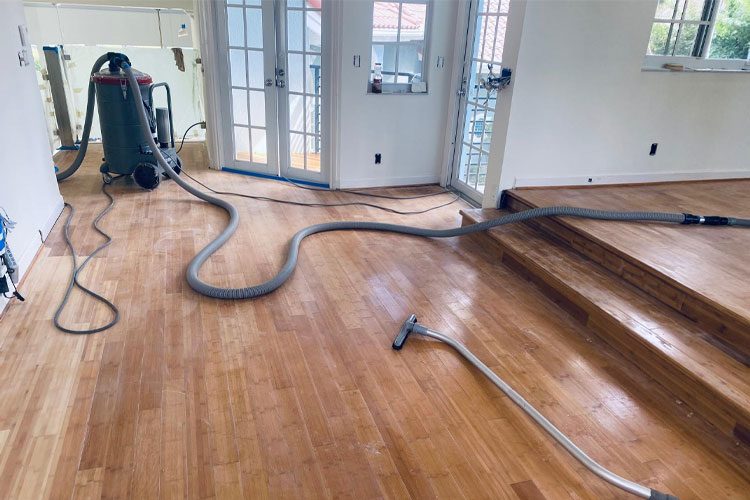
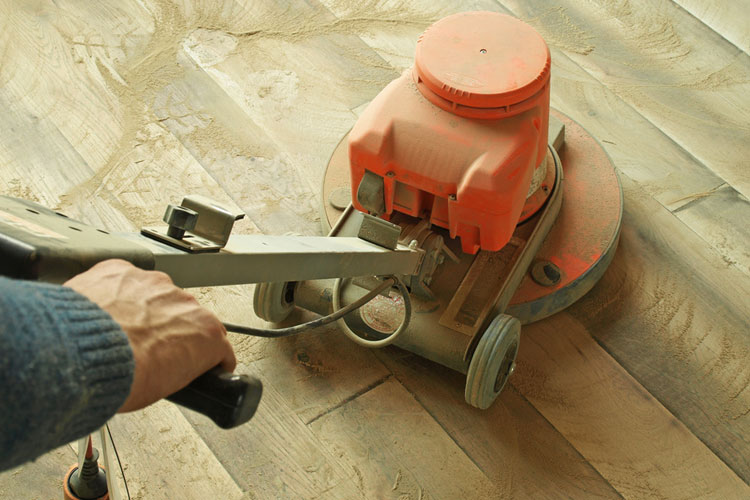
Sanding removes the old protective finish and smooths out surface wear. It also helps level uneven areas and prepares the wood to accept stain or clear finish.
Proper sanding typically involves:
-
Multiple grit passes for smoothness
-
Edge sanding along walls and corners
-
Detail work near transitions and tight areas
-
Cleaning between steps to remove dust buildup
Staining (Optional)
If homeowners want a different color tone, stain is applied after sanding. Stain is not required, but it is popular in Florida homes where design trends often favor light, airy tones or modern darker finishes.
Finish Application and Curing
The finish is the protective layer that seals the wood from wear, moisture intrusion, and scratches. A professional refinishing job includes:
-
Multiple finish coats
-
Light abrasion between coats for bonding
-
Proper cure time before heavy use
-
Final inspection and clean-up
This Hardwood Floor Refinishing Cost Guide emphasizes one key point: refinishing quality isn’t only about materials. It is largely determined by prep work, application technique, and proper cure time.
Types of Hardwood Floor Finishes for Florida Homes
The finish type affects the final appearance and performance. Florida homeowners should consider climate impact, odor sensitivity, and durability.
Water-Based Polyurethane
Water-based finishes are very common in Florida homes due to faster dry times and lower odor. They also tend to maintain a clearer appearance over time.
Best for:
-
Families who need a faster return to normal living
-
Homes where odor is a concern
-
Modern, clean interior designs
Oil-Based Polyurethane
Oil-based polyurethane creates a warmer tone and a classic traditional appearance. It often takes longer to dry and has stronger odor during application.
Best for:
-
Traditional hardwood looks
-
Homeowners who prefer warmer tones
-
Long-term durability expectations
Penetrating Oil Finishes
Penetrating oils soak into the wood rather than forming a thick protective film. These finishes are often selected for natural or “European” floor looks.
Best for:
-
Natural wood appearance
-
Modern luxury designs
-
Homeowners who prefer spot-repair flexibility
Florida-Specific Factors That Matter Most
Florida is not the same as other states when it comes to hardwood performance. Refinishing should be approached with climate awareness.
Humidity Control and Floor Movement
Hardwood expands and contracts with moisture levels. In Florida, humidity can increase movement, which may cause:
-
Small gaps between boards
-
Minor squeaks or shifting
-
Finish stress along seams
Proper refinishing products and acclimation practices reduce the chance of future problems.
Moisture Exposure Near Entrances and Kitchens
Florida homes often deal with water exposure from:
-
Pool decks and patios
-
Wet shoes during rainy season
-
Kitchen spills and high moisture areas
Refinishing can protect these zones, but homeowners should also implement:
-
Entry rugs and floor mats
-
Regular cleaning to remove grit
-
Quick wipe-up routines for moisture
Sand and Grit Wear
Beach living and Florida outdoor lifestyles bring sand indoors frequently. Sand is one of the biggest causes of premature finish wear.
To protect refinished floors:
-
Use felt pads under furniture
-
Sweep frequently (dry debris first)
-
Avoid harsh cleaners that dull the finish
How to Know If Your Floors Are Ready for Refinishing
Refinishing isn’t always necessary, but these are clear signs it may be time:
-
Finish looks cloudy or dull even after cleaning
-
Dark wear patterns appear in traffic zones
-
Scratches are visible across multiple boards
-
Water spots or discoloration won’t lift
-
Floors feel rough or dry in sections
This Hardwood Floor Refinishing Cost Guide recommends having floors assessed early. Waiting too long can allow damage to reach the wood underneath, creating repair needs that could have been avoided.
Refinishing vs Recoating: What’s the Difference?
Not every hardwood floor requires full sanding.
Recoating (Screen and Recoat)
Recoating refreshes floors by lightly abrading the existing finish and applying a new protective layer. It’s best when:
-
Floors are not deeply scratched
-
Wood is not exposed
-
Color and stain do not need changing
Full Refinishing (Sand and Refinish)
Full refinishing is necessary when:
-
The finish is worn through
-
Scratches penetrate deep
-
Stains or discoloration are present
-
A new stain color is desired
The right solution depends entirely on the floor condition—not the age of the home.
Tips to Get the Best Refinishing Results
To maximize durability and appearance:
Choose the Right Sheen Level
Lower sheens often hide scratches better, while higher sheens reflect more light and show imperfections faster.
Plan for Ventilation
Florida homes often have closed windows due to A/C. Proper airflow during finishing can improve results and comfort.
Protect the Floors After Refinishing
After refinishing:
-
Avoid rugs until fully cured
-
Use furniture pads immediately
-
Keep pet nails trimmed
-
Follow recommended cleaning methods
Final Thoughts for Florida Homeowners
Hardwood refinishing is one of the best ways to restore the beauty of your home without replacing flooring. With the right prep, correct finish selection, and Florida-specific care, refinished floors can look fresh, clean, and high-end for years.
If you want professional craftsmanship and reliable results, US Hardwood Floors can help restore your floors with expert refinishing services designed for Florida homes. Call 954-295-0977
Frequently Asked Questions (FAQs)
How long does hardwood floor refinishing take in a typical Florida home?
Most projects take several days depending on floor size, number of finish coats, and drying time. Humidity can also affect cure time.
What is the best hardwood floor finish for Florida humidity?
Many homeowners prefer water-based polyurethane due to clarity and lower odor, but the best finish depends on lifestyle, traffic, and design preference.
Can engineered hardwood floors be refinished?
Sometimes. Engineered hardwood can only be refinished if the top veneer layer is thick enough. A professional evaluation is the best way to confirm.
How soon can I walk on hardwood floors after refinishing?
Light foot traffic is typically allowed after an initial drying period, but full curing takes longer. It’s best to follow the contractor’s instructions for shoes, pets, and furniture.